From our blog
A practical guide to ASME B16.5 flanges: types, classes and how to order them
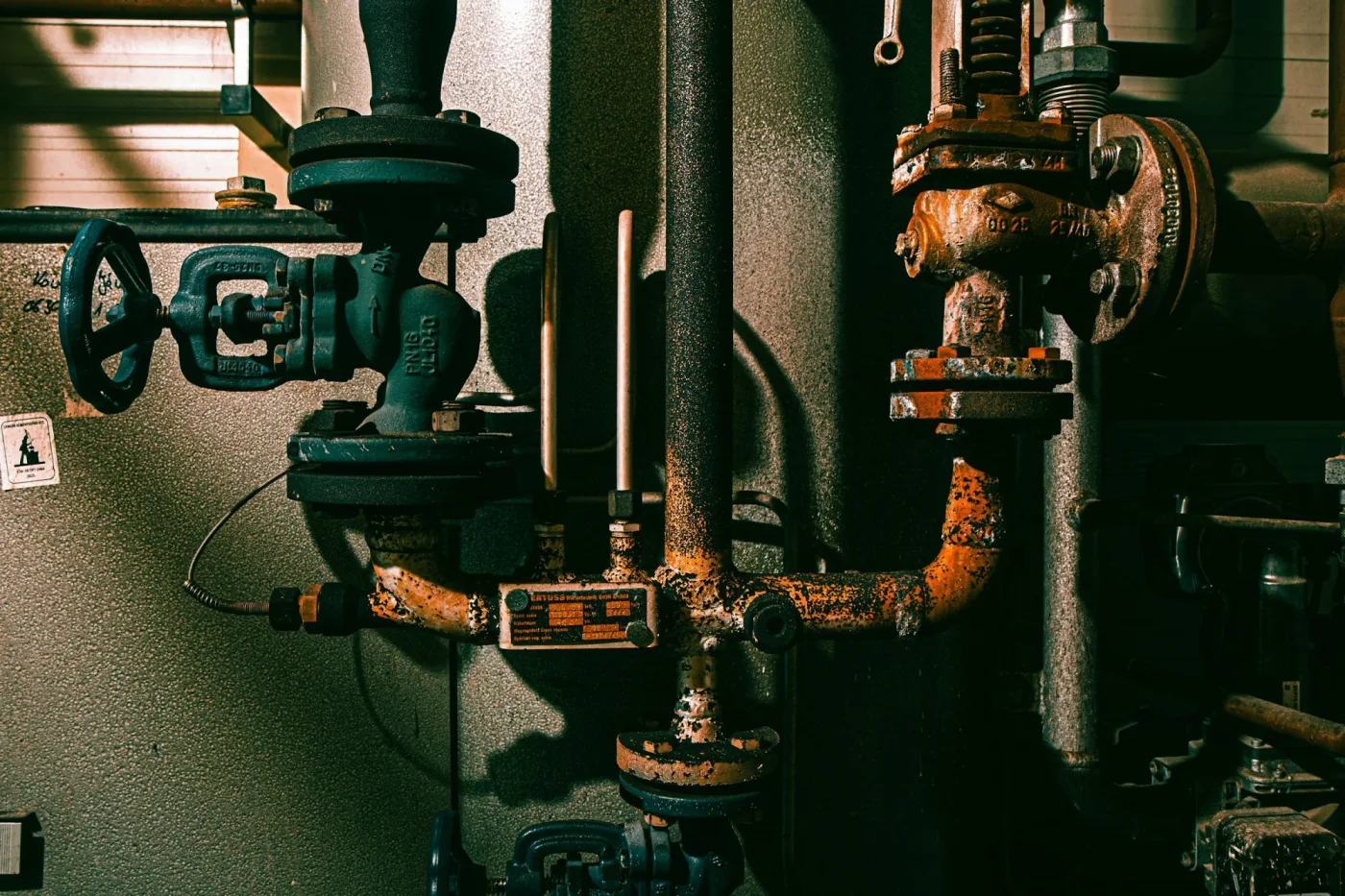
A flange looks simple, but the wrong type or class can mean a leak on a pressure line or a whole plant shut down. ASME B16.5 is the most widely used standard in Saudi Arabia and the Gulf for flanges from NPS ½″ to 24″. Sizes from 26″ to 60″ are covered by ASME B16.47.
The four types we are asked for most
1. Weld neck (WN)
A tapered hub is butt-welded to the pipe, so stress passes gradually from pipe to flange. It is the first choice for high-pressure, high-temperature lines in oil & gas and petrochemicals, and the weld can be radiographed.
2. Slip-on (SO)
The pipe slides into the flange and is fillet-welded inside and out. Easier to align and cheaper than a weld neck, it is common on water, cooling and low-to-medium pressure lines.
3. Blind (BL)
A solid disc with no bore that closes the end of a line or a vessel nozzle and can be opened later for inspection or extension. Blinds carry the highest stresses, especially in large sizes.
4. Lap joint (LJ)
Used with a stub end welded to the pipe while the flange itself stays free to rotate. Bolt holes are easy to align, and you can pair a carbon-steel flange with a stainless stub end on lines that are dismantled often.
Socket-weld and threaded flanges are also available for small bores.
Pressure classes
ASME B16.5 defines seven classes: 150, 300, 400, 600, 900, 1500 and 2500. The number is not the working pressure in psi; it points to a pressure–temperature rating table for each material group. For example, an A105 Class 150 flange is rated about 19.6 bar at ambient temperature, and the rating drops as temperature rises.
Facings
- RF (raised face): the most common, used with spiral-wound gaskets to ASME B16.20.
- FF (flat face): for cast-iron equipment and low-pressure lines.
- RTJ (ring type joint): for high pressure and temperature, with a metal ring in a precisely machined groove.
Common materials
- ASTM A105 carbon steel for ambient and elevated temperatures.
- ASTM A350 LF2 for low-temperature service.
- ASTM A182 F304/F304L and F316/F316L stainless for desalination, food and chemicals.
How to order flanges correctly
State the standard, type, nominal size (NPS), class, facing, bore schedule (for weld necks), material and quantity. Example: “WN flange, 8″, Class 300, RF, Sch 40, ASTM A105, qty 24”.
At Metal Fabrication Workshop Co. we make standard and non-standard flanges from plate or forgings, machine and drill them to standard, and ship them with mill test certificates (MTC) and a dimensional report. Send us your bill of quantities and we will reply with a quote within one working day.
Have a drawing?
Send us your drawings and quantities and get a clear quote fast.